How to Start Cooking When You Don't Know Where to Begin
Have you ever opened the refrigerator, looked at the ingredients inside, and wondered, "What am I supposed to do with all of this?"
Maybe you've always relied on restaurants, takeout, frozen meals, or someone else to prepare your food. Or perhaps you've wanted to learn how to cook but felt overwhelmed by complicated recipes, unfamiliar ingredients, and all those kitchen gadgets you see people using on cooking shows.
If this sounds familiar, you're not alone.
Learning how to cook can seem intimidating when you don't know where to begin. But here's something important to understand: You don't have to be a natural-born cook to become good in the kitchen. Cooking is a skill, and like any other skill, it can be learned with a little practice.
You don't need expensive equipment, professional training, or years of experience. You simply need to learn a few basic techniques, start with easy recipes, and build your confidence one meal at a time.
In this beginner's guide, we'll walk through everything you need to know to get started, even if you've never prepared a meal on your own.
Let's get cooking!
1. Start with Simple Recipes
One of the biggest mistakes beginners make is trying to prepare complicated meals before learning the basics.
Watching a professional chef prepare an elaborate dinner might look exciting, but trying to recreate that meal on your first attempt can quickly become frustrating.
Instead, start with simple meals that require only a handful of ingredients and a few basic cooking techniques.
Here are five beginner-friendly meals worth learning:
Scrambled eggs: A great way to practice using a frying pan and controlling heat.
Spaghetti with tomato sauce: Learn how to boil pasta and prepare a simple sauce.
Grilled cheese sandwiches: Practice cooking with butter, bread, and a frying pan.
Baked chicken breast: Learn basic seasoning and oven cooking.
Rice and vegetables: Practice measuring ingredients, boiling, and steaming.
These meals don't require advanced cooking skills, and most ingredients are inexpensive and easy to find.
The goal isn't to impress anyone with your cooking. The goal is to become comfortable preparing food and learning how different ingredients and cooking methods work together.
Begin with meals you enjoy eating. When you prepare something you actually like, you're more likely to stay motivated and want to learn more.
2. Get Familiar with Your Kitchen
Before you start cooking, take some time to understand the equipment you'll be using.
The good news is that you don't need a kitchen full of expensive gadgets. A few basic tools will allow you to prepare hundreds of different meals.
Here are the essential kitchen tools every beginner should have:
Chef's knife: Used for chopping vegetables, cutting meat, and preparing ingredients.
Cutting board: Provides a safe surface for cutting and preparing food.
Frying pan: Perfect for eggs, vegetables, chicken, and many everyday meals.
Tongs: Essential for picking up and turning food items
Saucepan: Useful for boiling water, cooking pasta, rice, and making sauces.
Baking sheet: Used for roasting vegetables, baking chicken, and preparing sheet-pan meals.
Measuring cups and spoons: Help you measure ingredients accurately.
Spatula and wooden spoon: Essential for stirring, flipping, and mixing food.
Colander: Used for draining pasta and rinsing vegetables.
You may also want to have a few mixing bowls, a can opener, and a meat thermometer.
You don't need to buy everything at once. Start with the basics and add equipment as you become more comfortable cooking.
3. Learn a Few Basic Cooking Techniques
You don't need to learn every cooking method right away. Start by understanding five fundamental techniques that will allow you to prepare a wide variety of meals.
Boiling
Boiling means cooking food in water or another liquid that has reached a full boil.
You'll use this technique to prepare pasta, potatoes, eggs, and certain vegetables.
For example, cooking spaghetti requires bringing a pot of salted water to a boil, adding the pasta, and cooking it according to the package directions.
Frying and Sautéing
These techniques involve cooking food in a pan using a small amount of oil or butter.
Frying and sautéing are commonly used for eggs, vegetables, chicken, and other foods.
Sautéing generally involves cooking smaller pieces of food over relatively high heat while stirring or tossing them.
Baking
Baking uses the dry heat of an oven to cook food.
You can bake chicken, fish, potatoes, casseroles, and countless other dishes.
One important beginner tip: Always preheat your oven to the temperature specified in your recipe.
Roasting
Roasting is similar to baking but is commonly used for vegetables and larger cuts of meat.
Roasting vegetables such as carrots, broccoli, and potatoes with a little olive oil, salt, and pepper is one of the easiest ways to create a delicious side dish.
Simmering
Simmering means cooking food in liquid at a temperature just below boiling.
It's commonly used for soups, stews, sauces, and pasta sauces.
Learning these five techniques will give you a strong foundation for preparing everyday meals.
4. Stock Your Kitchen with Essential Ingredients
One reason people find cooking difficult is that they don't have the ingredients they need when it's time to prepare a meal.
You don't need to fill your pantry with dozens of unfamiliar ingredients. Start with a small collection of versatile staples that can be used in many different recipes.
Here are some good ingredients to keep on hand:
Pantry essentials:
Salt and black pepper
Olive oil or vegetable oil
All-purpose flour
Sugar
Rice
Pasta
Canned tomatoes
Chicken broth
Garlic powder
Onion powder
Italian seasoning
Refrigerator essentials:
Eggs
Milk
Butter
Cheese
Fresh vegetables
Chicken or other proteins
Freezer essentials:
Frozen vegetables
Frozen chicken
Frozen fruit
Bread
These ingredients provide a foundation for many inexpensive and easy meals.
As your cooking skills improve, you can experiment with additional spices, sauces, fresh herbs, and other ingredients.
5. Learn How to Follow a Recipe
If you're new to cooking, recipes are your best friend.
A good recipe gives you instructions, ingredient measurements, cooking temperatures, and preparation times.
However, simply looking at a recipe and starting to cook isn't always the best approach.
Here are a few tips to help you follow recipes successfully:
Read the entire recipe first.
Before you begin, read all the instructions so you understand what needs to happen and in what order.
Gather your ingredients.
Make sure you have everything you need before turning on the stove or oven.
Measure your ingredients.
Especially when you're learning, accurate measurements can make a big difference.
Follow the instructions in order.
Don't skip steps or assume you know what comes next.
Pay attention to cooking times and temperatures.
Cooking something too long or at the wrong temperature can affect the final result.
As you gain experience, you'll begin to understand why recipes are written a certain way, and eventually you'll become comfortable making adjustments.
6. Practice with Easy Meals
The fastest way to become a better cook is to actually spend time cooking.
You don't need to prepare elaborate dinners every night. Start by making one or two simple meals each week.
Here is a beginner-friendly seven-day cooking challenge:
Monday - Make scrambled eggs
Tuesday - Prepare a grilled cheese sandwich
Wednesday - Cook spaghetti with tomato sauce
Thursday - Prepare rice and steamed vegetables
Friday - Make Tacos
Saturday - Bake a Chicken Breast
Sunday - Combine what you've learned into a complete meal
This simple challenge gives you an opportunity to practice different cooking techniques without overwhelming yourself.
Don't worry if everything doesn't turn out perfectly.
Your first scrambled eggs might be overcooked. Your pasta might be a little too soft. You might add too much seasoning.
That's okay!
Every time you cook, you learn something new.
7. Don't Be Afraid to Make Mistakes
Let's be honest. You're going to make mistakes when you start cooking.
Everyone does, including experienced cooks.
You might burn something, overcook your chicken, use too much salt, or forget an ingredient.
The important thing is to learn from those experiences rather than become discouraged.
Here are a few common beginner mistakes to watch out for:
Remember, cooking isn't about getting everything perfect the first time. It's about developing skills through experience.
8. Start Cooking at Home and Save Money
One of the biggest benefits of learning to cook is the money you can save.
Think about how much you spend on restaurants, takeout, and food delivery every week.
Even a few meals purchased outside the home can add up quickly.
Preparing meals at home gives you more control over your grocery spending, portion sizes, and ingredients.
You don't have to spend a fortune to prepare good food.
Here are a few ways to save money while learning to cook:
Plan your meals before going grocery shopping.
Buy ingredients that can be used in multiple recipes.
Take advantage of grocery store sales.
Use leftovers to create another meal.
Learn to prepare inexpensive staples such as rice, pasta, potatoes, and beans.
Avoid buying specialty ingredients for recipes you may only prepare once.
Cooking at home can become one of the most useful financial skills you develop.
And the more comfortable you become in the kitchen, the easier it is to prepare affordable meals instead of constantly relying on takeout.
9. Make Cooking a Regular Part of Your Life
The secret to becoming a good cook isn't complicated. It's consistency.
You wouldn't expect to become an excellent guitar player after practicing once, and cooking works the same way.
The more often you prepare meals, the more comfortable you'll become with ingredients, equipment, measurements, and cooking techniques.
Start small.
Try preparing breakfast at home instead of buying it. Make a simple lunch rather than ordering takeout. Prepare dinner a few nights each week.
Over time, you'll discover that cooking becomes less intimidating and more enjoyable.
You might even find that preparing a homemade meal becomes something you genuinely look forward to.
And here's another benefit: Learning to cook gives you the ability to prepare meals for the people you care about.
There's something special about putting a homemade meal on the table for family and friends.
It's a valuable life skill that can benefit you for years to come.
Final Thoughts: Anyone Can Learn to Cook
If you've never cooked before, getting started might seem overwhelming. But don't let that stop you.
You don't need to know everything about cooking to prepare your first meal. You just need to be willing to learn.
Start with simple recipes. Get familiar with your kitchen. Learn a few basic cooking techniques. Practice regularly and don't be afraid to make mistakes.
Before you know it, you'll be preparing meals you once thought were beyond your abilities.
Remember, every great cook started somewhere. Why not start today?
Ready to Become More Confident in the Kitchen?
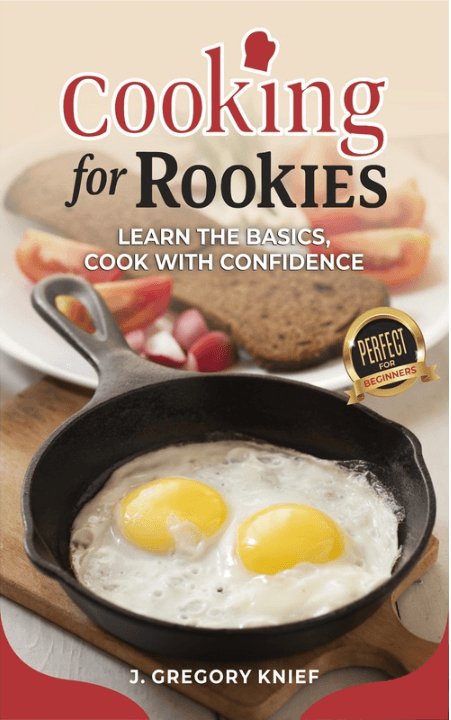
If you're looking for an easy way to learn the fundamentals of cooking, check out Cooking for Rookies.
This beginner-friendly book is designed for people who want to learn how to cook but don't know where to start.
Discover essential cooking skills, understand kitchen basics, learn how to work with different ingredients, and explore easy recipes that will help you become more comfortable preparing meals at home.
You don't have to be a chef to cook delicious food. You just need the right guidance and a willingness to learn.
Take the first step toward becoming a more confident cook with Cooking for Rookies!
Created with © systeme.io